Aug 20, 2026Products Guides
Usage & Maintenance Tips for Kitchen & Bathroom Stainless Steel Products
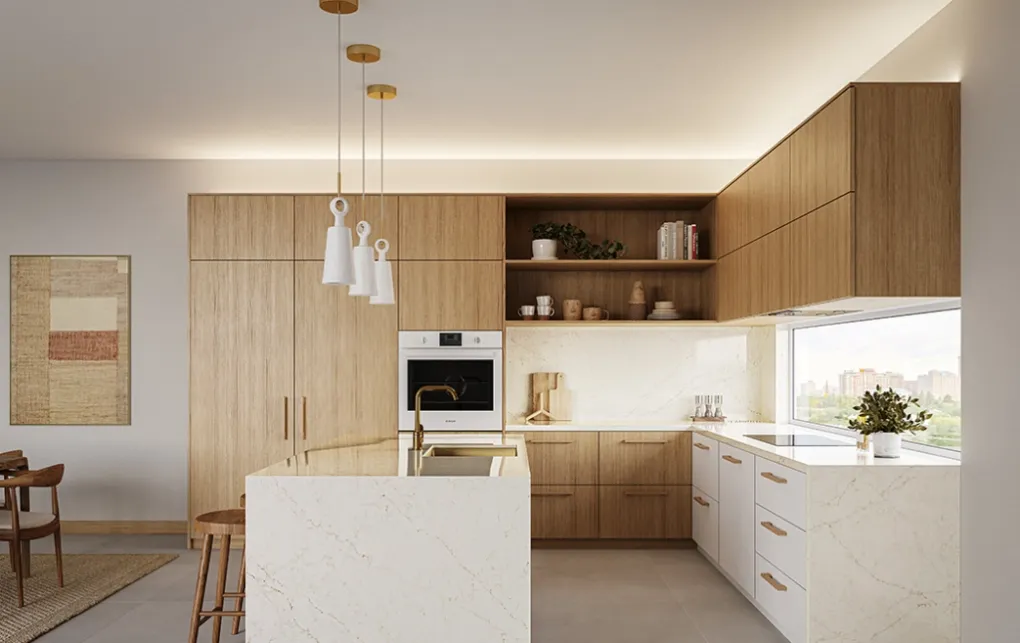
Maintenance guide for stainless steel kitchen&bathroom products.
1.Daily usage precautions(key to preventing premature rusting&pitting corrosion)
Do not allow chlorine-containing cleaners to remain on surfaces for long time.
Thoroughly rinse with clean water and wipe dry after use,Do not leave undiluted cleaner residues on hardware or floor drains.
X Avoid pouring toilet cleaner directly onto stainless steel racks or floor drains and letting it stand.
2.Do not soak surface in salt water,vinegar or marinating liquids for extended periods
Avoid storing brine or pickling liquid in kitchen sinks for long time,such mixtures of weak acid and salt can easily corrode Grade 304 stainless steel.
3.Avoid direct contact between dissimilar metals.
Prevent long-term direct contact between stainless steel and aluminum or ordinary iron nails, Electrochemical reactions will occur in humid environments and trigger rust spots.
II. Proper Cleaning Methods
1.Brushed Stainless Steel (Most Common for Kitchen & Bathroom)Daily care: Wipe along the brushed grain with warm water and neutral dish soap, then rinse and dry completely with clean water.For light limescale: Wipe briefly with diluted white vinegar, then rinse and dry immediately.
X Do NOT scrub with steel wool! It will damage the surface passive film, leading to more dirt buildup and rust afterwards.
2.Mirror Polished Stainless Steel
Wipe with soft microfiber cloths. Minimize the use of abrasive cleaners, as scratches are difficult to repair. Not recommended for long-term use in humid bathrooms
3.Electroplated / Anti-fingerprint Coated Stainless Steel
Only neutral cleaners may be used. Strong acids and alkali will erode the surface coating. Once the coating is damaged, the base material oxidizes easily.
III. How to Deal with Surface Rust & Water Marks
Note: Surface rust does not equal penetrating pitting corrosion. It is mostly iron particles deposited from water and can be restored if treated promptly.
Mild water stains and yellow discoloration: Wipe with warm water and neutral detergent, then dry thoroughly.
Surface rust Gently polish along the grain with dedicated stainless steel cleaning paste. Do not leave strong acid rust removers on the surface for long.
Always rinse with clean water and keep fully dry after treatment.
IV. Long-term Protection Tips
Dryness is the best anti-rust measure.
Wipe off water droplets on stainless steel hardware after bathing or cooking. Keep bathrooms well ventilated. Stainless steel relies on its surface passive film for rust resistance; persistent moisture will gradually break down this protective layer
Regular simple maintenance (once monthly):
After dying, apply a thin layer of food grade mineral oil or stainless steel maintenance oil to form a hydrophobic film that reduces limescale adhesion
(suitable for hardware and sinks).
V. Maintenance Reminders for Different Material Grades
Grade 304 Stainless Steel:Reduce frequent exposure to disinfectants and prolonged soaking in humid environments. Suitable for dry kitchen areas and sinks.
Grade 316 stainless steel:Offers stronger resistance to chloride ions but it is not permanently rust-proof. Regular cleaning and maintenance are still required in highly corrosive environments. It is the preferred material for floor drains and shower Zone hardware.
VI. Correction of Common Misconceptions
X Misconception: Stainless steel will never rust
Fact: It only resists rust when the passive film stays intact. Rust spots will form if the film is damaged by chloride ions, persistent dampness or
hard scratching.
X Misconception: Steel wool can polish away rust.
Fact: It scratches the surface, creating a vicious cycle that makes rusting more likely.
X Misconception: Simply flushing toilet cleaner away is sufficient.
Fact: Residual chemicals trapped in gaps and welds cause gradual corrosion; rust stains usually appear first on weld seams.